
What Are the Latest Trends in Outdoor Recreational Design?
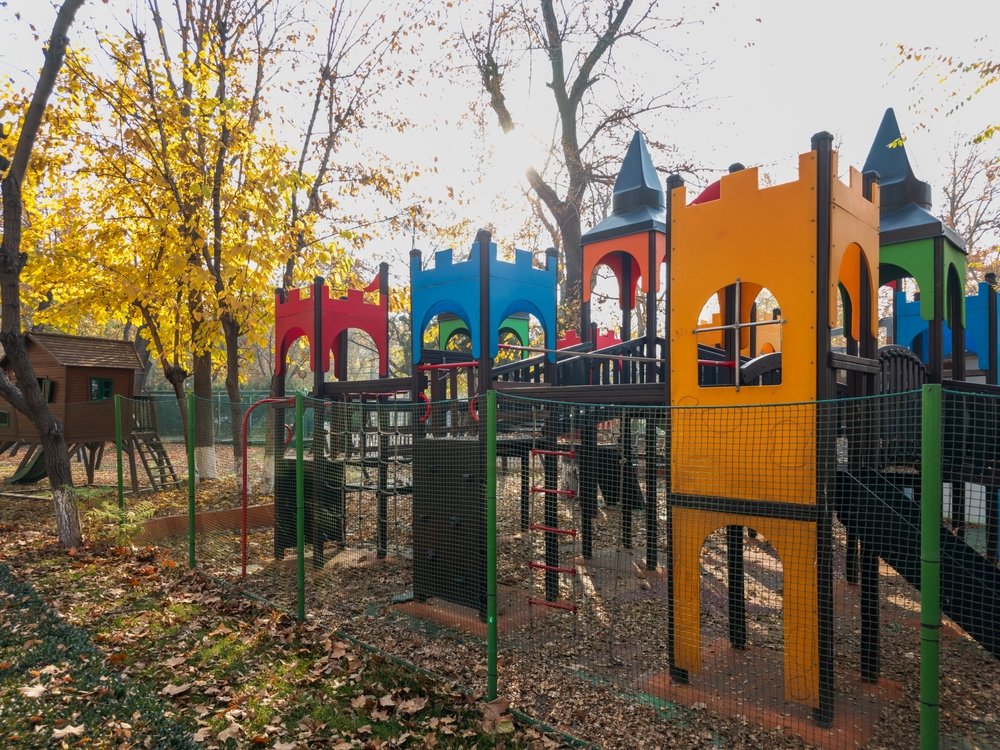
Outdoor recreation spaces have evolved far beyond traditional parks with a few swings and slides. Today's communities are looking for destinations that promote wellness, encourage social interaction, and provide inclusive experiences for people of all ages and abilities. As expectations continue to change, designers, municipalities, schools, and developers are embracing innovative outdoor recreation trends that create more engaging, sustainable, and versatile public spaces.
Modern recreational design is no longer focused solely on children's play. Instead, it brings together recreation, education, relaxation, fitness, and environmental stewardship into thoughtfully planned environments that serve entire communities. Whether it's a neighborhood park, school campus, or municipal recreation area, today's outdoor spaces are designed to encourage people to gather, stay longer, and return often.
Nature-Inspired Playground Design Continues to Grow
One of the most noticeable outdoor recreation trends is the growing popularity of nature-inspired playgrounds. Rather than relying exclusively on brightly colored metal equipment, many parks are incorporating natural aesthetics that blend seamlessly into the surrounding landscape.
Designers are using wood-look materials, boulder climbers, treehouse-inspired structures, natural color palettes, and landscape features that encourage exploration. Walking trails, native plants, and educational nature elements are often integrated into the playground itself, helping children connect with the outdoors while remaining physically active.
Nature-inspired designs also create a calmer environment that appeals to families looking for recreation spaces that feel welcoming and relaxing.
Inclusive Design Is Becoming the Standard
Inclusive design has become an essential, prioritized standard in modern recreational planning, ensuring playgrounds are accessible to everyone. By incorporating features like accessible pathways, ramps, and adaptive equipment, these spaces allow children of all abilities to play together, fostering social interaction and community inclusion.
Sustainable Materials Support Long-Term Value
Environmental responsibility continues to influence recreational planning. Communities are placing greater emphasis on selecting materials that reduce environmental impact while providing exceptional durability.
Many new playgrounds utilize recycled plastics, composite materials, sustainably sourced components, and long-lasting finishes that require less maintenance over time. These materials help reduce waste while extending the lifespan of playground equipment.
Sustainable design also considers long-term operating costs. Durable products often require fewer repairs and replacements, making them a practical investment for municipalities and schools working within budget constraints.
Interactive Technology Creates New Play Experiences
Technology is becoming an exciting addition to outdoor recreation without replacing physical activity. Instead, designers are finding creative ways to combine movement with interactive experiences.
Modern playgrounds may include digital play stations, interactive lighting, sound elements, educational games, or activity panels that respond to touch and movement. Some parks are even incorporating fitness tracking features or augmented reality experiences that encourage exploration.
These interactive elements help attract older children who may otherwise lose interest in traditional playground equipment while still promoting active outdoor play.
Sensory Play Supports Every Child
Sensory experiences are becoming a central part of playground design because they provide opportunities for children with a wide range of developmental needs.
Musical instruments, textured panels, spinning elements, water play features, visual activity stations, and tactile experiences create engaging environments that stimulate multiple senses.
These features benefit all children by encouraging exploration, creativity, and problem-solving while providing additional support for children with sensory processing differences.
Designers increasingly recognize that sensory-rich environments create more engaging and inclusive recreational experiences.
Eco-Friendly Landscaping Is Shaping Modern Parks
Landscape design now plays a much larger role in recreational planning than it did in the past. Instead of simply surrounding playgrounds with grass, many communities are investing in environmentally friendly landscaping strategies.
Native plants reduce irrigation needs while supporting local wildlife. Rain gardens help manage stormwater runoff, and permeable surfaces improve drainage while reducing erosion.
Strategically placed trees create natural shade, improve air quality, and contribute to a more comfortable environment for visitors. These landscaping choices enhance both the appearance and sustainability of recreational spaces.
Shaded Outdoor Environments Improve Comfort
Comfort has become an important consideration in park planning, especially as communities experience warmer temperatures during the summer months.
Shade structures, mature trees, covered seating areas, and picnic shelters allow families to enjoy parks for longer periods without excessive sun exposure. Cooler play surfaces also help reduce the risk of heat-related injuries.
Providing shade benefits visitors while also helping protect playground equipment from prolonged UV exposure, extending its useful life.
As a result, shaded gathering spaces have become a defining feature of many modern parks.
Multi-Functional Community Spaces Continue to Expand
Perhaps one of the biggest outdoor recreation trends is the shift toward multi-purpose community spaces. Rather than serving a single purpose, today's parks are designed to accommodate a wide variety of activities.
A single recreation area may include playground equipment, walking trails, fitness stations, picnic shelters, performance spaces, open lawns, splash pads, and community gathering areas.
This flexible approach allows parks to serve children, teens, adults, seniors, and community organizations throughout the day. It also maximizes the value of public investments by creating destinations that support recreation, education, wellness, and social connection.
Communities looking to develop these innovative spaces often partner with experts in custom playgrounds in Montana to create recreational environments that balance creativity, functionality, and long-term durability.
Designing for the Future
As recreational needs continue to evolve, successful park design requires more than simply installing new equipment. It involves understanding how people use public spaces, anticipating future community needs, and creating environments that remain adaptable for years to come.
Modern parks are expected to provide opportunities for physical activity, relaxation, education, social interaction, and environmental stewardship all within a single destination. Achieving this balance requires thoughtful planning, quality materials, and a long-term vision.
By embracing current trends while maintaining a strong focus on safety and accessibility, communities can build recreational spaces that remain valuable well into the future.
Planning Recreation Spaces with Purpose
The latest outdoor recreation trends reflect a broader shift toward creating parks that are inclusive, sustainable, engaging, and community-centered. Nature-inspired playgrounds, accessible design, sensory experiences, eco-friendly landscaping, and interactive technology are transforming how people experience outdoor spaces.
As expectations continue to grow, investing in thoughtful recreational design helps communities create welcoming destinations that encourage healthier lifestyles and stronger social connections. With the guidance of experienced professionals like Garrett Parks & Play, schools, municipalities, churches, and developers can create innovative outdoor environments that inspire play, foster community, and provide lasting value for generations to come.