
What Are the Most Common Playground Design Mistakes to Avoid?
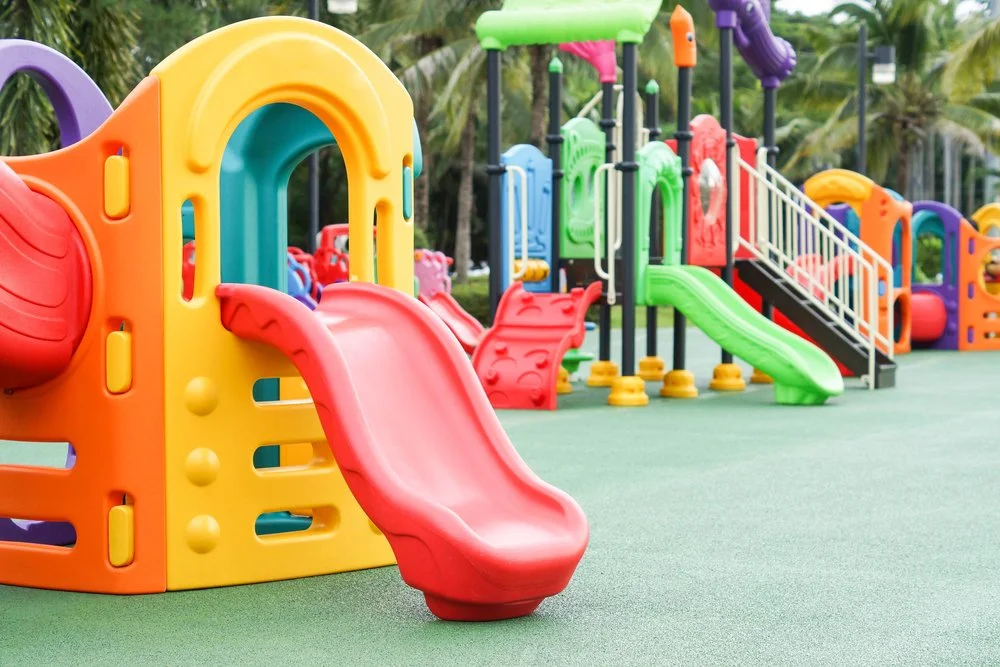
A well-designed playground can serve a community for decades, providing children with a safe, engaging place to play while creating a gathering space for families. However, even the most exciting playground concepts can fall short if critical design considerations are overlooked during the planning process.
Many playground issues don't become apparent until after installation, when safety concerns, maintenance challenges, or poor visitor experiences begin to emerge. Avoiding common playground design mistakes early on can help communities maximize their investment while creating a space that remains functional, attractive, and enjoyable for years to come.
Whether designing a school playground, neighborhood park, church recreation area, or municipal play space, understanding these common pitfalls can lead to a safer and more successful project.
Overcrowding the Playground with Equipment
One of the most common mistakes in playground design is trying to fit too much equipment into a limited space. While it may seem beneficial to offer as many play features as possible, overcrowding often creates safety concerns and reduces the overall play experience.
When equipment is placed too closely together, children have less room to move safely between activities. Crowded layouts can increase collisions, limit circulation, and make supervision more difficult. In some cases, overcrowding may even interfere with required fall zones and safety clearances.
A successful playground balances variety with open space. Children benefit from having room to run, socialize, and transition between activities without feeling confined. Thoughtful spacing also improves accessibility and creates a more inviting environment.
Ignoring Age-Appropriate Zoning
Not all playground users have the same developmental needs. Toddlers, school-age children, and older youth require different types of equipment and challenges.
A common playground design mistake occurs when designers fail to separate play areas by age group. Younger children may become overwhelmed by larger equipment intended for older users, while older children may quickly lose interest in features designed for toddlers.
Age-appropriate zoning helps create safer and more engaging experiences for everyone. Dedicated areas allow children to interact with equipment that matches their physical abilities, confidence levels, and developmental stages.
Proper zoning also helps parents feel more comfortable knowing their children are playing in spaces designed specifically for their age group.
Poor Visibility Creates Supervision Challenges
Parents and caregivers often evaluate a playground based on how easily they can supervise their children. Unfortunately, some playground designs unintentionally create blind spots or obstructed views.
Tall structures positioned too closely together, dense landscaping, and confusing layouts can make it difficult for adults to maintain visual contact with children. Poor visibility can increase safety concerns and reduce parental confidence in the space.
Successful playgrounds are designed with clear sightlines that allow caregivers to observe children from multiple locations throughout the park. Open layouts improve supervision while enhancing the overall sense of safety and comfort.
Inadequate Safety Surfacing
Safety surfacing is one of the most important elements of playground design, yet it is sometimes treated as an afterthought.
Inadequate surfacing can significantly increase the severity of injuries caused by falls. Selecting the wrong material or failing to maintain proper surfacing depth can compromise safety and create long-term liability concerns.
Quality impact-absorbing surfaces should be chosen based on equipment height, anticipated usage, accessibility requirements, and maintenance expectations. Proper installation and ongoing inspections help ensure surfacing continues to perform effectively over time.
Overlooking Accessibility Requirements
Modern playgrounds should be designed to accommodate children of all abilities. Unfortunately, accessibility is sometimes considered only after major design decisions have already been made.
Accessible pathways, inclusive play elements, transfer systems, and sensory-friendly features should be incorporated into the design from the beginning. When accessibility is integrated early, playgrounds become more welcoming and usable for a broader range of families.
Inclusive design also creates opportunities for children of different abilities to play together, fostering social interaction and community engagement.
Many communities work with experienced playground companies in Montana to ensure accessibility standards are incorporated throughout the planning and installation process.
Failing to Plan for Maintenance
Every playground requires ongoing maintenance to remain safe and attractive. One of the most costly mistakes a community can make is designing a playground without considering long-term upkeep.
Materials, surfacing, shade structures, and moving components all require periodic inspections and maintenance. Selecting products solely based on initial cost may result in higher expenses over the life of the playground.
A maintenance-friendly design incorporates durable materials, accessible inspection points, and components that can be serviced efficiently. Planning for maintenance from the start helps reduce operational costs and extends the lifespan of the playground.
Ignoring Weather Protection
Weather conditions play a major role in how often a playground is used. Excessive sun exposure can make equipment uncomfortable to touch, while lack of shelter can discourage families from staying for extended periods.
Shade structures, strategically placed trees, and covered seating areas help improve visitor comfort and protect equipment from UV damage. Weather protection also contributes to lower surface temperatures, reducing the risk of heat-related injuries.
Communities that invest in weather-conscious design often see higher playground usage and improved visitor satisfaction.
Forgetting About Parent Comfort
While children are the primary users of a playground, parents and caregivers often determine how long a visit lasts. A playground that fails to consider adult comfort may struggle to attract repeat visitors.
Insufficient seating, limited shade, and a lack of nearby amenities can negatively impact the overall experience. Parents appreciate comfortable places to sit, supervise, and relax while children play.
Features such as benches, picnic tables, restrooms, water fountains, and shaded gathering areas make a significant difference in how families perceive the space.
When caregivers are comfortable, they are more likely to extend visits and return frequently.
Neglecting Community Input
Another common mistake is designing a playground without seeking feedback from the people who will use it most.
Parents, educators, local organizations, and community members often provide valuable insights about desired features, accessibility needs, and recreational priorities. Community involvement can help ensure the final design reflects local preferences and encourages greater use after completion.
Projects that incorporate community feedback frequently enjoy stronger public support and a greater sense of ownership among residents.
Creating a Playground That Lasts
Avoiding common playground design mistakes requires careful planning, thoughtful design, and attention to both immediate and long-term needs. From proper equipment spacing and age-appropriate zoning to accessibility, maintenance planning, and visitor comfort, every design decision influences how successful a playground will be.
Communities that partner with experienced professionals gain access to expertise that helps identify potential challenges before they become costly problems. Companies like Garrett Parks & Play work closely with schools, municipalities, churches, and parks departments to create playgrounds that balance safety, durability, accessibility, and fun.
By avoiding these common mistakes and focusing on the needs of both children and families, communities can create playgrounds that remain vibrant, welcoming destinations for years to come.