
What Parents Secretly Look for Before Choosing a Play Area
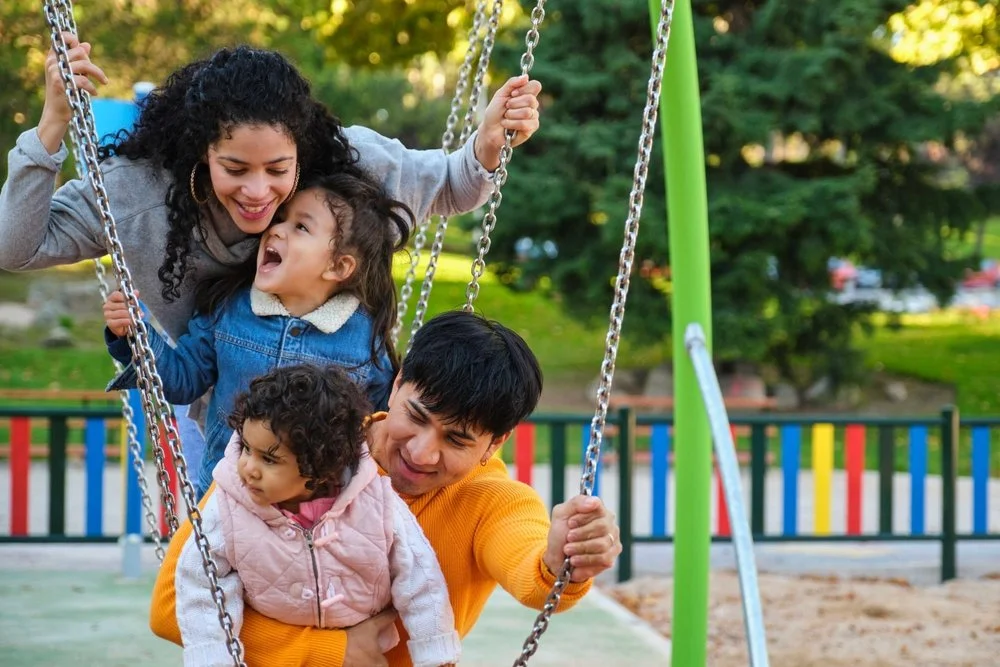
When families visit a park or playground, children often focus on the slides, swings, and climbing structures. Parents, however, tend to evaluate the space through a very different lens. While a colorful playground may initially catch a child's attention, several behind-the-scenes factors often determine whether parents view it as a place worth returning to.
The most successful family-friendly playgrounds are designed with both children and caregivers in mind. They create environments where kids can play freely while parents feel confident, comfortable, and supported throughout the visit. Understanding what parents truly value can help communities, schools, and park planners create spaces that attract more families and encourage longer visits.
Safety Comes First
No matter how exciting a playground looks, safety is usually the first thing parents notice. Before children even begin playing, parents are often scanning the environment for potential hazards.
They pay attention to the condition of the equipment, the quality of the surfacing, and whether the play area appears well maintained. Loose components, damaged equipment, worn surfacing, or obvious safety concerns can quickly discourage families from staying.
Parents also appreciate playgrounds that clearly follow established safety standards. Proper fall zones, age-appropriate equipment, and secure installations provide reassurance that the playground was designed with children's well-being in mind.
Communities that invest in high-quality equipment and professional installation often create stronger confidence among visiting families. Many parks work with experienced playground installers in Idaho to ensure equipment is installed correctly and remains safe for long-term use.
Cleanliness Creates Confidence
Cleanliness plays a larger role in playground selection than many people realize. Parents often associate a clean playground with good maintenance and overall safety.
Trash-free play areas, well-maintained landscaping, clean seating areas, and regularly serviced restrooms signal that the park is actively cared for. When parents see a well-kept environment, they are more likely to feel comfortable allowing their children to explore and play.
On the other hand, litter, graffiti, overflowing trash receptacles, or neglected equipment can quickly create a negative impression, even if the playground itself is well designed.
Regular maintenance helps create a welcoming atmosphere that encourages families to return again and again.
Visibility Matters More Than You Think
One of the biggest concerns for parents is being able to easily supervise their children. Playgrounds that provide clear sightlines throughout the space are often viewed more favorably than those with obstructed views.
Parents want to be able to watch their children from a comfortable location without constantly moving around the playground. Strategic equipment placement, open layouts, and thoughtfully positioned seating areas help caregivers maintain visibility while allowing children to play independently.
Good supervision visibility not only improves safety but also gives parents peace of mind, which significantly enhances the overall experience.
Comfortable Seating and Shade Are Essential
Children may be the primary users of a playground, but parents often spend just as much time there. Comfortable seating areas can make a significant difference in how long families choose to stay.
Benches placed near play structures allow caregivers to supervise comfortably while remaining close to their children. Even more important is access to shade.
Direct sun exposure can quickly make a playground visit uncomfortable, especially during warmer months. Shade structures, mature trees, and covered seating areas provide protection from the elements and create a more enjoyable experience for everyone.
When parents know they can sit comfortably while their children play, they are more likely to extend their visit and return in the future.
Convenient Amenities Improve the Experience
The presence of nearby amenities often influences whether a playground becomes a regular family destination.
Access to clean restrooms is one of the most appreciated features among parents, particularly those with younger children. Water fountains, picnic areas, walking trails, and nearby parking also contribute to overall convenience.
These amenities may not seem directly related to play, but they significantly affect the comfort and practicality of a family outing. The easier it is for families to meet their needs during a visit, the more likely they are to stay longer and return frequently.
Inclusive Equipment Appeals to More Families
Today's parents increasingly value playgrounds that welcome children of all abilities. Inclusive playground design ensures that every child has opportunities to participate, interact, and enjoy the experience.
Features such as accessible pathways, transfer platforms, sensory play elements, and ground-level activities help create a more welcoming environment. Parents appreciate seeing spaces where children can play together regardless of physical or developmental differences.
Inclusive design also reflects a community's commitment to accessibility and belonging, making the playground more attractive to a wider range of families.
Age-Divided Zones Reduce Stress
Parents often feel more comfortable when playgrounds offer clearly defined areas for different age groups.
Toddlers, school-age children, and older kids have very different developmental needs and play styles. Separating these groups helps reduce safety concerns while allowing children to engage with equipment that matches their abilities.
Younger children can explore in a safer environment without being overwhelmed by larger, more active kids. Meanwhile, older children gain access to more challenging features that keep them engaged.
Age-divided zones create a better experience for everyone and help parents feel more confident about their children's safety.
Parents Want Children to Stay Engaged
Beyond safety and convenience, parents want playgrounds that genuinely capture their children's attention. An engaging play environment often translates into longer visits and more positive experiences.
Playgrounds that offer a variety of activities tend to perform best. Climbing structures, balance elements, interactive panels, sensory features, and imaginative play components all encourage children to stay active and entertained.
Variety is important because it appeals to different interests and developmental stages. Some children enjoy physical challenges, while others prefer creative or social play opportunities.
When a playground offers multiple ways to engage, children are less likely to become bored and more likely to continue exploring and interacting with others.
Social Interaction Is a Major Benefit
Many parents view playgrounds as valuable social environments. Beyond physical activity, playgrounds provide opportunities for children to develop communication skills, cooperation, and friendships.
Features that encourage group play naturally support social interaction. Multi-user equipment, themed play environments, and collaborative activities help children engage with one another while building confidence and teamwork skills.
Parents often recognize these benefits and appreciate playgrounds that foster healthy social development alongside physical activity.
Creating a Playground Families Love
Creating truly family-friendly playgrounds requires more than installing a few slides and swings. The best play spaces combine safety, comfort, accessibility, and engaging activities that keep children active while giving parents peace of mind. From shaded seating and inclusive equipment to proper surfacing and age-appropriate play zones, every detail contributes to a better experience for families.
When communities want to create playgrounds that families will visit again and again, partnering with experienced professionals makes all the difference. Garrett Parks & Play has helped schools, parks, churches, and municipalities design and build high-quality recreational spaces that prioritize both fun and safety. Whether you're planning a neighborhood park, school playground, or community gathering space, working with trusted playground installers can help ensure your investment delivers lasting value, exceptional play experiences, and a welcoming environment for families for years to come.