
Designing Custom Playgrounds for Different Age Groups: What to Consider
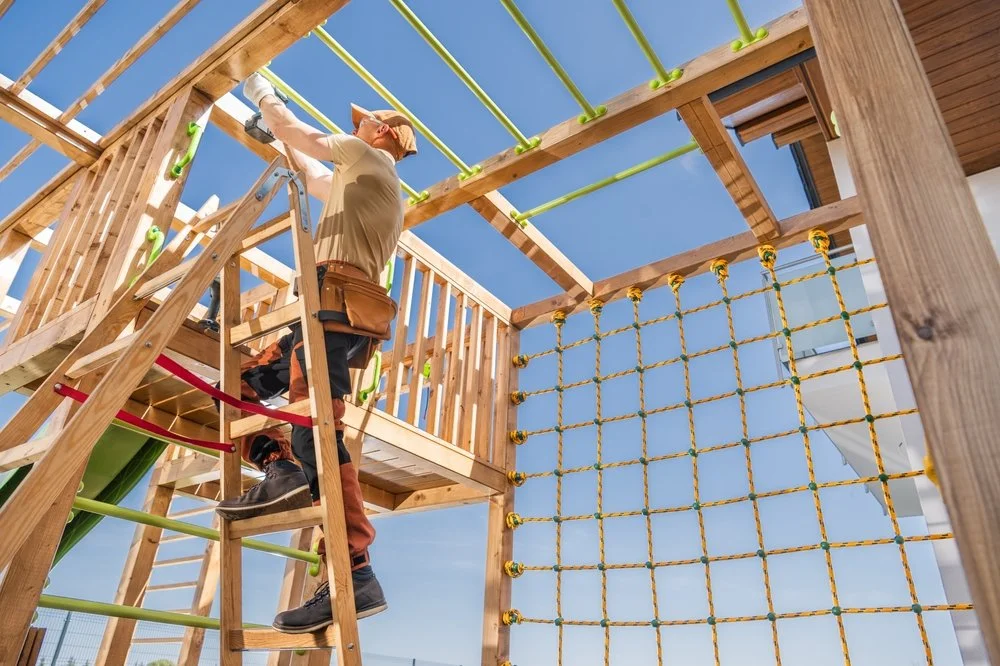
A successful playground does more than provide a place to climb and slide. It creates an environment where children can safely develop physical, social, emotional, and cognitive skills at every stage of growth. Because children’s abilities and needs change dramatically as they age, thoughtful planning is essential when creating an age-appropriate playground design.
A playground designed for toddlers should look and function very differently from one intended for older children or teens. Height, complexity, surfacing, accessibility, and supervision all play important roles in determining whether a play environment is safe, engaging, and developmentally beneficial.
Companies like Garrett Parks & Play help communities create customized spaces that support every stage of childhood development while maintaining high standards for safety, accessibility, and long-term durability.
Why Developmental Stages Matter in Playground Design
Children experience rapid developmental changes as they grow. Their balance, coordination, confidence, strength, and social skills evolve over time, meaning playground equipment must match their physical and emotional abilities.
An effective playground challenges children without overwhelming them. Equipment that is too simple may become boring quickly, while equipment that is too advanced can create frustration or safety risks.
This is why custom playground design often includes separate zones for different age groups, allowing children to play comfortably and safely while developing new skills at an appropriate pace.
Designing for Toddlers Ages 2–5
For toddlers (Ages 2-5), prioritize gentle exploration and sensory engagement to support developing balance, coordination, and confidence. Equipment should include low platforms, short slides, crawl tunnels, and small climbers, enabling independent movement close to the ground while supporting fine and gross motor skills.
Sensory elements (interactive panels, musical components, tactile features) stimulate curiosity and cognitive growth. Safety is critical; use soft, impact-absorbing surfacing (e.g., poured-in-place rubber or engineered wood fiber) to reduce injuries from common falls and ensure accessible pathways.
Finally, clear supervision zones are essential for caregiver visibility.
Designing for Kids Ages 5–12
Children in this age group are more physically capable and socially engaged. They seek challenge, adventure, and opportunities for cooperative play.
Playgrounds for ages 5–12 typically feature taller climbing structures, larger slides, rope systems, bridges, and obstacle-style components that encourage strength, coordination, and problem-solving.
At this stage, children also become more imaginative and socially interactive. Group play areas, themed structures, and collaborative equipment encourage communication and teamwork.
Spacing guidelines become increasingly important as equipment grows larger. Proper fall zones and safe distances between structures reduce the risk of collisions and overcrowding.
Designers also carefully manage progression of difficulty. A well-designed playground gradually introduces more advanced climbing and movement challenges so children can build confidence while staying engaged.
Designing Spaces for Teens
Teen-focused playground and recreation spaces often look very different from traditional playgrounds. Older users prefer activities that challenge strength, coordination, and social interaction while avoiding equipment that feels “childish.”
Adventure-style climbing systems, fitness stations, parkour-inspired elements, and large gathering areas are often incorporated into teen-oriented designs.
These spaces should encourage movement while also supporting socialization. Seating zones, shaded gathering spaces, and open layouts create opportunities for teens to interact comfortably with peers.
Durability becomes especially important in teen play areas because equipment typically experiences higher-impact use. Materials and structures must be designed to handle increased stress while maintaining safety.
Designing for Inclusive and Adaptive Play
Inclusive design is essential in modern playgrounds, ensuring participation for children of all abilities by addressing physical, sensory, and cognitive challenges. This includes accessible pathways, ramps, and transfer stations to support mobility.
Sensory stations—like musical panels and quiet spaces—provide engaging play options for diverse sensory needs. Additionally, thoughtful layouts with wide pathways, shaded areas, and accessible seating improve comfort.
Communities often partner with specialists in custom playgrounds in Utah to integrate inclusive design standards.
The Importance of Safety Surfacing and Fall Zones
No matter the age group, proper surfacing remains one of the most important aspects of playground safety.
Impact-absorbing materials help reduce injury severity during falls and should be selected based on the height and type of equipment being installed. Different age groups may require different surfacing depths depending on fall heights and activity intensity.
Fall zones must also be carefully calculated. These designated spaces surrounding equipment provide room for safe movement and reduce the likelihood of collisions.
Maintaining proper spacing between structures ensures children can navigate the playground comfortably while minimizing congestion and accidents.
Encouraging Skill Development Through Progression
One of the most effective strategies in age-appropriate playground design is creating a progression of difficulty throughout the play environment.
Younger children benefit from simpler structures that build confidence and basic coordination. As children grow, they naturally seek more complex challenges involving climbing, balancing, and problem-solving.
A thoughtfully designed playground evolves with the child, supporting ongoing development while encouraging exploration and achievement.
This progression not only improves physical development but also helps children build resilience, confidence, and independence through play.
Balancing Safety and Creativity
A great playground balances challenge with protection. Children need opportunities to test limits and develop new skills, but these experiences must occur within a safe environment.
This balance is achieved through proper height limitations, durable materials, impact-absorbing surfacing, and compliance with safety standards such as ASTM, CPSC, and ADA guidelines.
Professional playground designers carefully consider these factors while still creating exciting and imaginative environments that inspire children to engage actively with the space.
Final Thoughts
Designing playgrounds for different age groups requires more than selecting equipment. It involves understanding how children grow, interact, and learn through play.
From toddlers exploring sensory features to teens seeking adventure and social spaces, each age group has unique developmental needs that shape playground design decisions. Inclusive features, proper surfacing, safe spacing, and progressive challenges all contribute to creating environments where children can play safely and confidently.
With thoughtful planning and support from experienced professionals like Garrett Parks & Play,communities can create playgrounds that grow with children, encourage meaningful interaction, and provide lasting value for families and neighborhoods alike.