
How Park Shade Structures Improve Safety and Equipment Lifespan
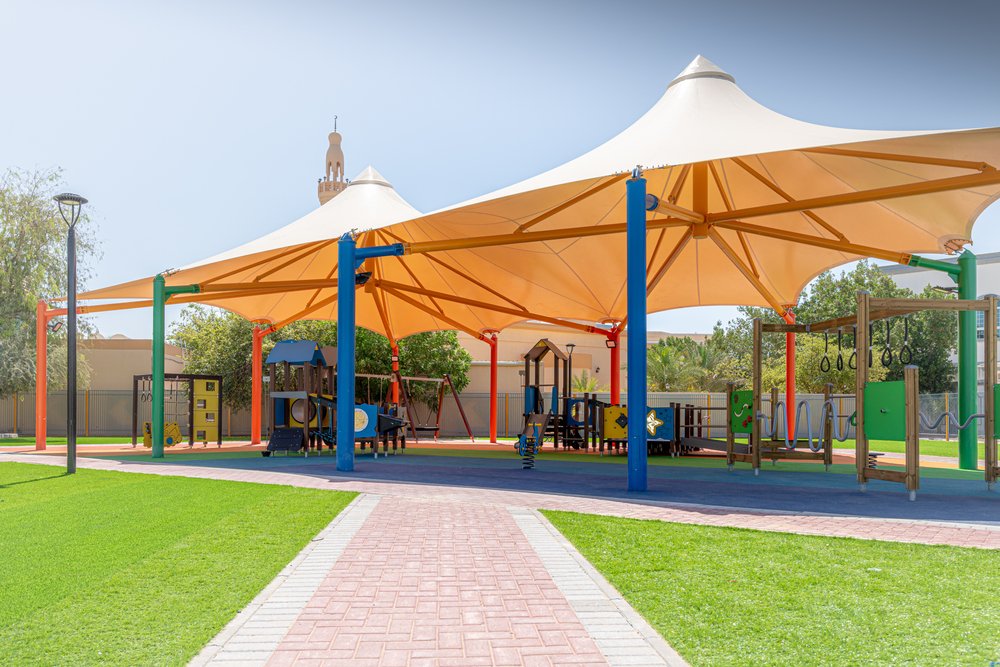
Parks are meant to be spaces of fun, fitness, and relaxation, but prolonged exposure to the sun can pose risks for visitors and playground equipment alike. Integrating park shade structures is one of the most effective ways to protect both people and assets while enhancing the overall park experience. From reducing heat-related injuries to prolonging equipment lifespan, shade structures are a smart investment for any community or recreation space.
Companies like Garrett Parks & Play specialize in designing and installing durable shade solutions, providing communities with safer, more comfortable environments and professional expertise for playground installers in Montana.
Benefits of Park Shade Structures
Shade structures offer several critical benefits that go beyond comfort, impacting safety, equipment durability, and visitor satisfaction.
UV Protection
Exposure to ultraviolet (UV) rays is a major concern for children and adults alike. Extended sun exposure can lead to sunburn, skin damage, and long-term health risks. Shade structures block harmful UV rays, allowing visitors to enjoy the park safely during peak sunlight hours.
Cooler Play Surfaces
Playground surfaces like rubber, plastic, and metal can become extremely hot under direct sunlight. Shade reduces surface temperatures, preventing burns and discomfort, and allowing children to enjoy playground equipment safely even during warmer months.
Reduced Heat-Related Injuries
Overheating is a common issue during outdoor play, particularly for young children. Shaded areas create cooler zones where visitors can rest, hydrate, and recover, reducing the risk of heat exhaustion or dehydration.
Extended Equipment Lifespan
UV rays, rain, snow, and other weather conditions contribute to the deterioration of playground equipment and park amenities. Shade structures shield surfaces from direct exposure, reducing fading, cracking, and material degradation. This preservation extends the life of slides, swings, benches, and other investments.
Enhanced Visitor Comfort
Visitors are more likely to stay longer and enjoy the park when shaded areas are available. Comfortable, cool seating zones and play areas encourage socializing, relaxation, and community engagement, creating a more enjoyable and inclusive experience.
Design Considerations for Park Shade Structures
When planning shade structures, careful attention to materials, coverage, and placement ensures maximum benefits for safety and durability.
Fabric Types
Shade fabrics vary in UV protection, durability, and aesthetics:
High-density polyethylene (HDPE): Durable, breathable, and effective at blocking UV rays.
PVC-coated polyester: Waterproof and long-lasting; ideal for areas with frequent rainfall.
Canvas or synthetic blends: Offer flexible design options and a softer look, suitable for smaller parks or decorative structures.
The right fabric should balance protection, airflow, and longevity while complementing the park’s design.
Metal Frame Durability
A shade structure’s frame must support the fabric securely and withstand weather conditions:
Galvanized steel provides excellent corrosion resistance and long-term strength.
Aluminum is lightweight yet strong, ideal for modular or mobile installations.
Powder-coated finishes add aesthetic appeal and protect against rust, ensuring a longer lifespan.
Durable frames paired with high-quality fabric are essential to maximize the benefits of shade structures.
Coverage Options
Shade structures can vary in size and configuration depending on the park layout and usage:
Canopies over playgrounds provide direct protection for equipment and play surfaces.
Picnic shelters and seating areas give families shaded zones for meals and relaxation.
Walkway or trail covers offer safe passage during sunny days, making parks more accessible and comfortable.
Strategic coverage ensures shade where it is needed most while maintaining open play and visibility.
Placement Strategies
Optimal placement maximizes safety and comfort:
Position structures to cover high-use areas such as slides, swings, climbing equipment, and benches.
Align with sun path analysis to provide maximum protection during peak sunlight hours.
Consider airflow and drainage to prevent hot spots or water accumulation beneath the structure.
Maintain clear sightlines for supervisors, parents, and safety personnel.
Thoughtful placement ensures that shade structures deliver both practical and safety benefits.
Maintenance and Longevity
Even the best shade structures require routine inspection to maintain performance:
Check tension in fabric to avoid sagging or tearing.
Inspect frames for corrosion, loose bolts, or damage after storms.
Clean fabric periodically to prevent mildew or debris accumulation.
Routine care extends the life of the structure and ensures ongoing protection for both equipment and visitors. Companies like Garrett Parks & Play can provide professional maintenance and repair services as part of a comprehensive playground management program.
Creating Safer, Longer-Lasting Play Areas
Incorporating park shade structures transforms a park into a more welcoming, safe, and durable environment. These structures reduce heat exposure, protect children and families, extend equipment lifespan, and improve the overall park experience.
Communities investing in well-designed shade solutions demonstrate a commitment to safety, comfort, and long-term value. By partnering with experienced professionals, such as playground installers in Montana, parks can maximize both the functional and aesthetic benefits of shade while ensuring compliance with safety and durability standards.
Investing in shade structures is more than just adding a cover—it’s a proactive step toward safer play, happier visitors, and equipment that lasts longer. Thoughtful design, high-quality materials, and strategic placement make these structures a vital part of any modern playground or community park.