
How to Combine Fitness Zones with Playground Areas Effectively
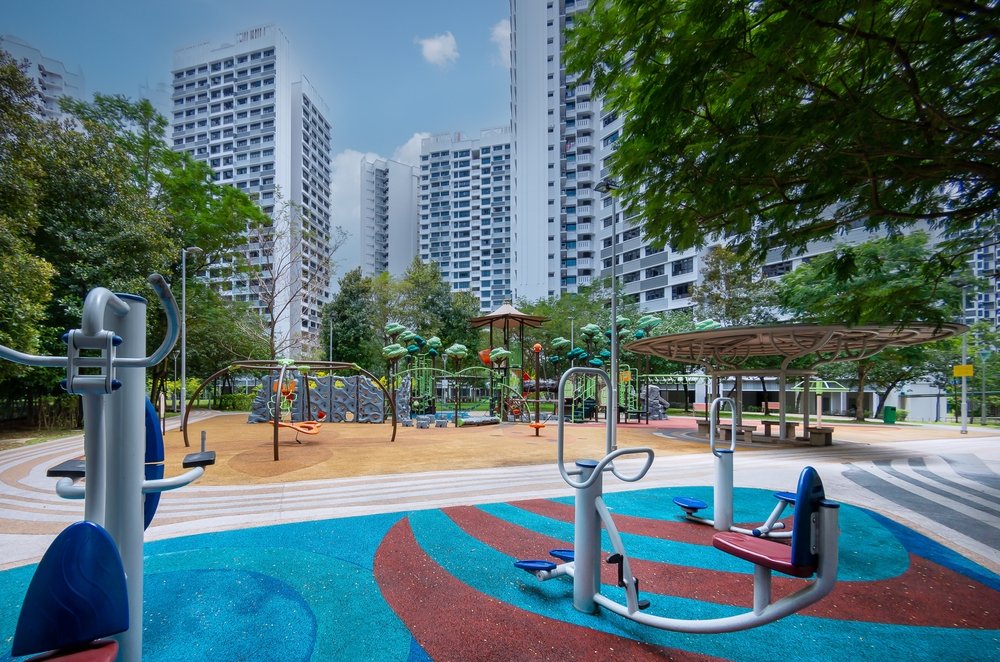
Today's parks and recreation spaces are evolving to meet the needs of entire families rather than serving a single age group. While traditional playgrounds remain essential for children's development, many communities are discovering the benefits of pairing them with outdoor fitness zones that encourage adults to stay active as well. This approach to fitness playground integration creates vibrant destinations where parents, grandparents, and children can enjoy healthy activities together.
Rather than separating recreation into different locations, combining playgrounds with fitness equipment helps maximize available space while encouraging families to spend more time outdoors. With thoughtful planning, these shared environments can promote wellness, strengthen community connections, and provide engaging experiences for visitors of every age.
Why Fitness and Playgrounds Work Well Together
Children naturally enjoy climbing, balancing, jumping, and exploring. Adults, on the other hand, often look for opportunities to exercise while supervising their children. Integrating fitness stations alongside playground equipment allows both groups to remain active during the same visit.
Parents can complete a workout while maintaining visual contact with their children, making exercise easier to fit into busy schedules. Instead of waiting on a nearby bench, caregivers can participate in physical activity while children enjoy the playground.
Encouraging Active Lifestyles for the Whole Family
Fitness-playground integration supports multi-generational health. Children develop skills through active play, while adults and seniors benefit from convenient, accessible exercise stations. These shared spaces foster family connections, improve physical well-being, and increase park usage by appealing to all ages.
Creating Safe Separation Between Fitness and Play Areas
Although combining recreation spaces offers many benefits, thoughtful planning is essential to maintain safety.
Workout equipment should be positioned far enough from children's play structures to prevent conflicts between users. Adults exercising with resistance equipment or performing dynamic movements need sufficient space without interfering with active play.
Designers often create distinct activity zones while maintaining convenient visual connections between them. Walking paths, landscaped buffers, or seating areas can help separate activities without isolating users.
Age-Appropriate Design Matters
Fitness equipment is designed for older users and should not be confused with children's play structures. Clear distinctions help reduce misuse while ensuring each area serves its intended purpose.
Children should have access to equipment designed specifically for their developmental abilities, while adults benefit from fitness stations that support strength training, flexibility, balance, and cardiovascular exercise.
Walking Tracks Connect the Entire Space
Walking trails are one of the simplest ways to unify playgrounds and fitness zones.
A looped walking path encourages parents, grandparents, and other visitors to remain active while children play. These trails also provide accessible routes that connect various recreation areas throughout the park.
Adding benches, shade structures, landscaping, and educational signage along the trail creates a welcoming environment for visitors of all fitness levels.
Walking tracks also support year-round use by accommodating walkers, joggers, and individuals seeking gentle exercise.
Obstacle Courses Add Variety
Obstacle-style fitness areas have become increasingly popular because they appeal to both teens and adults while complementing nearby playgrounds.
These areas may include climbing walls, balance beams, agility stations, rope challenges, and bodyweight exercise equipment. The variety keeps workouts engaging while encouraging users to improve coordination and overall fitness.
When designed appropriately, obstacle courses can also serve organized community events, school fitness programs, or recreational competitions.
Fitness Circuits Support Every Skill Level
Outdoor fitness circuits allow visitors to move between multiple exercise stations while completing a full-body workout.
Common stations may focus on upper-body strength, lower-body exercises, stretching, balance, or cardiovascular activity. By arranging equipment in a logical sequence, parks encourage continuous movement throughout the fitness area.
Comfortable Amenities Enhance the Experience
Successful multi-generational recreation spaces extend beyond equipment alone. Families appreciate thoughtful amenities that encourage longer visits and greater comfort.
Shade structures provide relief during warmer months while protecting both visitors and equipment from prolonged sun exposure. Benches placed throughout the park allow caregivers to rest while maintaining supervision.
Water fountains, picnic shelters, bike racks, restrooms, and accessible pathways further improve convenience and make parks more enjoyable for everyone.
These features transform recreation areas into community gathering places rather than simple exercise destinations.
Planning for Long-Term Success
Creating an effective multi-use recreation space requires careful planning from the earliest stages of design.
Professional designers consider traffic flow, equipment placement, safety surfacing, visibility, accessibility, maintenance requirements, and future expansion opportunities. Every decision contributes to how successfully families use the space over time.
Communities often work with experienced playground equipment manufacturers in Montana to ensure playground equipment, outdoor fitness stations, and supporting amenities work together as one cohesive recreational environment.
Thoughtful planning helps maximize both safety and long-term value while creating destinations that remain popular for years.
Creating Recreation Spaces That Bring Families Together
Combining playgrounds with outdoor fitness zones creates more than just an efficient use of space—it builds healthier, more connected communities.
With expert planning and quality equipment from trusted providers like Garrett Parks & Play,communities can create multi-generational recreation spaces that balance safety, accessibility, and enjoyment. Through successful fitness playground integration, parks become welcoming environments where every visitor can find opportunities to move, play, exercise, and connect.