
Choosing Between Metal, Plastic, and Composite Materials for Playground Equipment
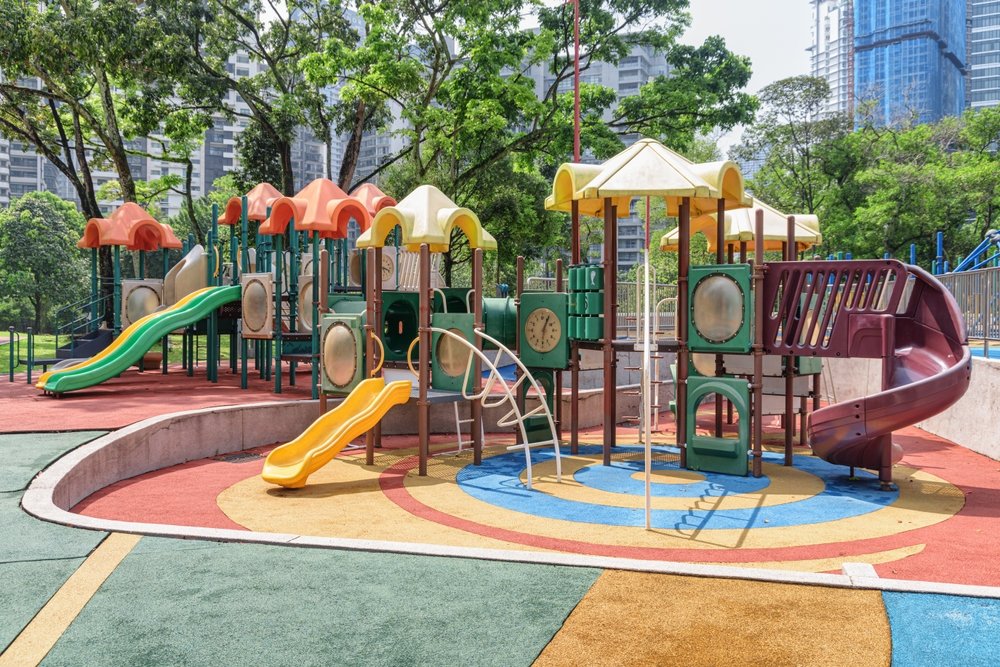
When planning a playground, design and layout often take center stage—but one of the most important decisions happens behind the scenes: choosing the right playground materials. The materials used in playground equipment directly affect durability, safety, maintenance, cost, and even the overall look and feel of the space.
From traditional metal structures to colorful plastic components and modern composite systems, each material offers unique advantages and trade-offs. Understanding these differences helps communities, schools, and developers make informed decisions that match their environment, budget, and long-term goals.
Professionals like Garrett Parks & Play work closely with clients to recommend materials that align with both performance expectations and aesthetic vision. Let’s break down the pros and cons of each major material type and explore where they work best.
Metal Playground Equipment
Metal has long been a staple in playground construction due to its strength and longevity.
Pros of Metal
High durability: Steel and aluminum structures can withstand heavy use and extreme weather conditions.
Strong load capacity: Ideal for large structures and high-traffic areas.
Long lifespan: Properly coated metal resists wear and can last for decades.
Cons of Metal
Heat retention: Metal surfaces can become very hot in direct sunlight, posing burn risks.
Potential for corrosion: Without proper coatings, metal can rust over time.
Higher maintenance: Requires regular inspections for rust, wear, and protective coatings.
Best Use Cases
Metal is an excellent choice for:
High-traffic parks
Schools with heavy daily use
Large, multi-level play structures
Its strength and resilience make it a go-to material where durability is the top priority.
Plastic Playground Equipment
Plastic materials—especially high-density polyethylene (HDPE)—are widely used in modern playgrounds due to their versatility and safety.
Pros of Plastic
Temperature-friendly: Plastic doesn’t heat up as quickly as metal, making it safer for children in sunny climates.
Low maintenance: Resistant to rust, corrosion, and splintering.
Bright and customizable: Ideal for colorful, themed playground designs.
Smooth surfaces: Reduce the risk of cuts or abrasions.
Cons of Plastic
Lower strength compared to metal: Not always suitable for very large or heavy-use structures.
UV wear over time: Prolonged sun exposure can cause fading or brittleness without UV stabilization.
Replacement costs: Damaged components may need full replacement rather than repair.
Best Use Cases
Plastic works best for:
Daycares and early childhood playgrounds
Themed or imaginative play areas
Residential or moderate-use parks
Its safety and visual appeal make it a favorite for younger audiences.
Composite Playground Materials
Composite materials combine elements of wood fibers, plastics, and other synthetics to create durable, eco-friendly solutions.
Pros of Composite
Eco-friendly: Often made from recycled materials, supporting sustainability goals.
Weather-resistant: Resistant to rot, splintering, and insect damage.
Natural appearance: Mimics wood while offering improved durability.
Low maintenance: Requires less upkeep than traditional wood.
Cons of Composite
Higher upfront cost: More expensive than standard plastic or basic metal options.
Limited flexibility: May not offer the same range of shapes and designs as plastic.
Weight: Heavier materials may require more robust installation methods.
Best Use Cases
Composite materials are ideal for:
Nature-themed playgrounds
Parks focused on sustainability
Areas seeking a blend of aesthetics and durability
They provide a balance between the strength of metal and the comfort of plastic, with added environmental benefits.
Comparing Key Factors
Durability
Metal: Highest durability for heavy use
Plastic: Moderate durability, best for lighter use
Composite: Strong and weather-resistant, suitable for long-term use
Weather Resistance
Metal: Excellent with proper coatings
Plastic: Good, but may degrade under UV exposure
Composite: Excellent resistance to moisture and weather
Maintenance Needs
Metal: Requires rust prevention and inspections
Plastic: Low maintenance overall
Composite: Minimal maintenance, no splintering or rotting
Eco-Friendliness
Metal: Recyclable but energy-intensive to produce
Plastic: Varies depending on material source
Composite: Often the most sustainable option
Cost
Metal: Moderate to high depending on design
Plastic: Generally cost-effective
Composite: Higher upfront cost but lower long-term maintenance
Choosing the Right Material for Your Playground
Selecting the right playground materials depends on how the space will be used and the environment it serves.
High-Traffic Parks
Metal structures are often the best choice due to their strength and durability. Combining metal frames with plastic components can create a balanced solution.
Schools and Educational Spaces
A mix of materials works well—metal for structural support and plastic for play elements—ensuring both durability and safety for daily use.
Themed or Creative Environments
Plastic and composite materials shine in themed playgrounds. Their flexibility allows for imaginative designs, bright colors, and engaging shapes.
Eco-Conscious Projects
Composite materials are ideal for projects focused on sustainability, offering durability while reducing environmental impact.
Working with experienced providers like Garrett Parks & Play ensures that material selection aligns with your project goals, budget, and long-term maintenance expectations. Their expertise as playground equipment manufacturers in Idaho helps communities choose the best combination of materials for lasting performance.
Final Thoughts
Choosing between metal, plastic, and composite materials is a critical step in creating a safe, durable, and visually appealing playground. Each material has its strengths, and the best solution often involves a strategic combination tailored to the specific needs of the space.
By understanding the pros and cons of each option, communities and property owners can build playgrounds that stand the test of time—delivering safe, engaging, and enjoyable experiences for generations to come.