
How Professional Playground Installers Ensure Long-Term Safety
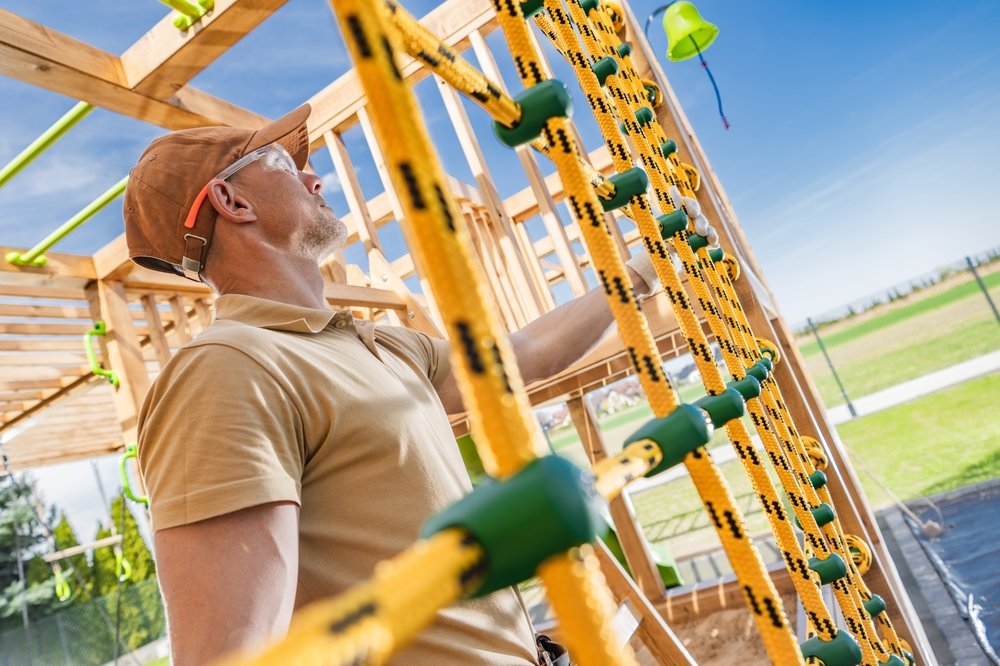
A playground should be a place where children can explore, play, and grow safely. But behind every safe playground is a carefully planned and expertly executed installation process. Professional installers do far more than assemble equipment—they ensure that every detail, from anchoring to surfacing, is handled with precision to support long-term safety.
Choosing experienced providers like Garrett Parks & Play means working with teams who understand the technical requirements behind safe playground construction. From initial layout to final inspection, professional installers follow proven systems that reduce risk, improve durability, and protect the long-term value of your investment.
The Role of Professional Installation in Playground Safety
Playground safety starts long before the first child steps onto the structure. Professional installers use industry best practices to ensure that every component is properly installed, aligned, and secured.
This includes:
Correct assembly of all equipment components
Proper anchoring to prevent movement or tipping
Installation of impact-absorbing surfacing
Accurate spacing between structures
Proper fall-zone configuration
Drainage planning to prevent water buildup
Each of these elements plays a critical role in preventing injuries and maintaining structural integrity over time.
Precision in Equipment Assembly
One of the most important aspects of installation is proper assembly. Playground systems are designed with specific configurations that must be followed precisely. Professional installers ensure:
All parts are assembled according to manufacturer specifications
Components are aligned correctly to prevent stress on joints
Moving parts function smoothly and safely
Even small errors in assembly can lead to long-term issues like instability or premature wear. Professionals eliminate these risks through careful attention to detail.
Secure Anchoring for Stability
Anchoring is what keeps a playground grounded—literally. Without proper anchoring, equipment can shift over time, especially in high-use environments or areas with changing weather conditions.
Professional installers evaluate soil conditions and apply appropriate anchoring methods, such as:
Concrete footings for maximum stability
Deep-set anchors suited to soil type
Reinforcement techniques for high-traffic areas
This ensures that structures remain stable, safe, and secure for years to come.
Proper Surfacing and Fall-Zone Setup
Surfacing is one of the most critical safety components in any playground. It helps absorb impact and reduce the severity of falls. Professional installers ensure:
The correct type of surfacing is used (e.g., rubber, engineered wood fiber, turf)
Proper depth is achieved based on fall height requirements
Fall zones are clearly defined and maintained around each structure
Accurate fall-zone setup prevents overcrowding and ensures children have enough space to play safely.
Spacing and Layout Planning
Proper spacing between equipment is essential for preventing collisions and ensuring safe movement throughout the playground. Professional installers:
Follow ASTM and CPSC guidelines for equipment spacing
Design layouts that allow clear pathways and visibility
Ensure accessibility for children of all abilities
A well-planned layout not only enhances safety but also improves the overall play experience.
Drainage and Site Preparation
Water buildup can damage equipment, compromise surfacing, and create slipping hazards. Professional installers address this during the installation phase by:
Grading the site for proper water runoff
Installing drainage systems where needed
Selecting surfacing materials that handle moisture effectively
Proper drainage helps preserve the playground and prevents long-term structural issues.
The Importance of Precision Measurements and Torque Checks
Professional installation safety relies heavily on precision. Installers use exact measurements and tools to ensure every component is positioned correctly.
Key practices include:
Accurate measurements: Ensuring proper spacing, alignment, and fall-zone compliance
Torque checks: Tightening bolts to manufacturer specifications without over-tightening
Leveling: Ensuring all structures sit evenly to prevent stress or imbalance
These technical steps may seem minor, but they are critical to long-term safety and durability.
Evaluating Soil Conditions
Soil plays a major role in how well playground equipment performs over time. Loose or unstable soil can lead to shifting, sinking, or uneven surfaces.
Professional installers assess soil conditions and:
Compact soil properly before installation
Adjust anchoring methods based on soil type
Reinforce areas that may experience erosion
This ensures a stable foundation that supports the playground for years.
Safety Audits and Final Inspections
Before a playground is opened to the public, professional installers conduct thorough safety checks. These audits include:
Inspecting all connections and fasteners
Verifying compliance with safety standards
Testing equipment for stability and performance
Ensuring surfacing and fall zones meet requirements
These final inspections provide confidence that the playground is safe and ready for use.
Long-Term Maintenance Benefits
Professional installation doesn’t just improve immediate safety—it also supports long-term performance. Proper installation helps prevent:
Loosening of components due to improper assembly
Corrosion from poor drainage or incorrect materials
Misalignment caused by uneven installation or soil issues
Additionally, professionally installed playgrounds are easier to maintain. With everything correctly aligned and secured, routine inspections and repairs are more straightforward and less costly.
Communities that work with experienced providers like playground installers in Idaho benefit from both expert installation and ongoing support, ensuring their playground remains safe and functional over time.
Why Professional Installation Matters
A playground is only as safe as its installation. While it may be tempting to cut costs with DIY approaches, the risks far outweigh the savings. Professional installers bring the expertise, tools, and knowledge needed to ensure every detail is handled correctly.
From precise measurements and torque checks to proper surfacing and drainage, professional installation creates a foundation for long-term safety. It protects children, reduces liability, and extends the life of your investment.
Final Thoughts
Safe playgrounds don’t happen by accident—they’re built through careful planning, expert installation, and ongoing attention to detail. By partnering with experienced teams like Garrett Parks & Play, communities and property owners can ensure their playgrounds meet the highest standards of safety and durability.
Investing in professional installation today means fewer problems tomorrow—and a safer, more enjoyable space for children to play, learn, and grow.