
From Concept to Completion: The Process Behind Building a Custom Playground
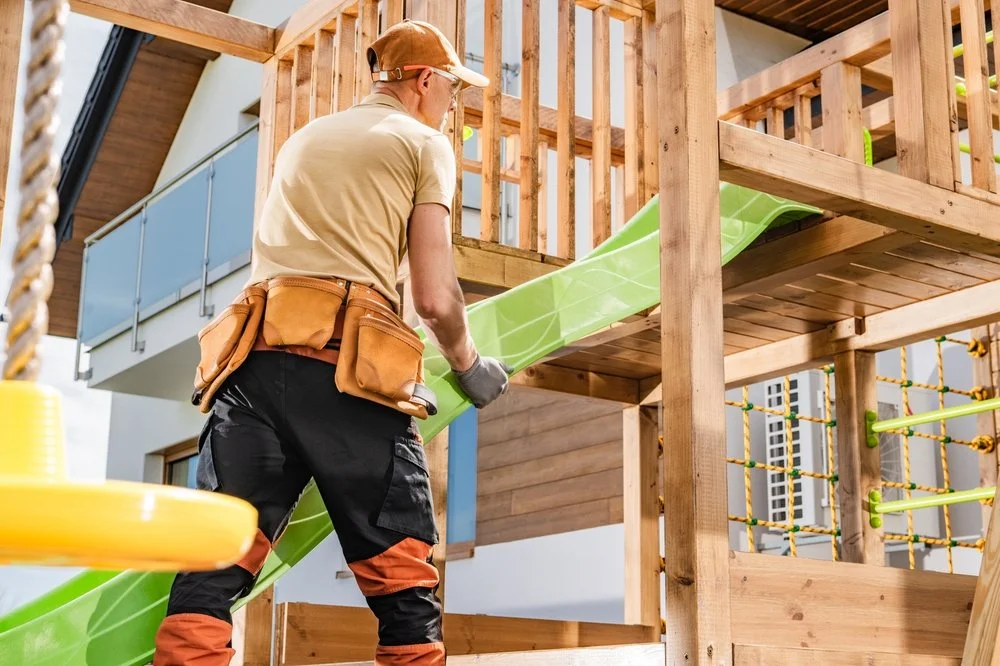
Building a playground may look simple on the surface—but behind every slide, climber, and swing is a carefully coordinated process that blends creativity, engineering, and safety. The playground construction process involves multiple stages, each designed to ensure that the final result is safe, durable, and tailored to the needs of the community.
Whether for a school, park, or residential development, a custom playground requires collaboration between designers, manufacturers, safety experts, and installers. Companies like Garrett Parks & Play guide clients through every phase, transforming ideas into fully realized play environments through expert custom playground design.
Let’s walk through the step-by-step process that brings a custom playground to life.
Site Assessment and Evaluation
Every successful playground begins with a thorough understanding of the site. This step includes:
Evaluating terrain, slope, and soil conditions
Assessing drainage and environmental factors
Measuring available space and accessibility
Identifying potential hazards or limitations
Site assessment ensures that the playground is designed to fit naturally into its surroundings while addressing safety and usability from the start.
Planning and Budgeting
Once the site is evaluated, the next step is aligning the project vision with a realistic budget. Planning includes:
Defining goals and priorities (age groups, features, themes)
Establishing budget ranges for equipment, surfacing, and installation
Exploring funding options such as grants or community support
A clear plan helps avoid unexpected costs and ensures that the project remains on track.
Concept Drawings and Design Development
This is where creativity takes shape. Designers create concept drawings that bring the playground vision to life.
2D layouts and 3D renderings illustrate the design
Themes, colors, and play features are selected
Accessibility and inclusive design elements are integrated
Through custom playground design, clients can visualize the final product and provide feedback before moving forward.
Engineering and Safety Review
Once the design is approved, engineers and safety experts refine the details to ensure compliance with industry standards.
Structural calculations verify strength and stability
Fall zones and spacing are evaluated
Materials are tested for durability and safety
Compliance with ASTM, CPSC, and ADA guidelines is confirmed
This step ensures that the playground is not only visually appealing but also structurally sound and safe for all users.
Material Selection
Choosing the right materials is essential for long-term performance. Depending on the design, materials may include:
Metal for structural strength
Plastic for safety and flexibility
Material selection considers climate, usage levels, maintenance needs, and aesthetic preferences.
Manufacturing and Fabrication
After finalizing the design and materials, the playground components are manufactured.
Precision fabrication ensures each part meets specifications
Quality control checks verify durability and compliance
Custom elements are created to match the design vision
Manufacturing timelines vary depending on the complexity of the project, but quality remains a top priority.
Permits and Approvals
Before installation begins, necessary permits and approvals must be secured.
Local building codes and zoning regulations are reviewed
Permits are obtained from municipalities or governing bodies
Compliance with safety and accessibility standards is verified
This step ensures that the project meets all legal requirements and avoids delays during construction.
Installation and Construction
Installation is where the project comes together physically. Professional installers handle:
Site preparation and grading
Anchoring and assembly of equipment
Installation of surfacing materials
Proper spacing and fall-zone setup
Experienced teams ensure that every component is installed accurately and safely, minimizing the risk of future issues.
Final Inspection and Safety Audit
Before the playground is opened to the public, a comprehensive inspection is conducted.
Equipment is tested for stability and performance
Surfacing is checked for proper depth and coverage
Safety standards and compliance are verified
Any final adjustments are made
This step ensures the playground is fully ready for safe use.
Community Involvement and Grand Opening
A custom playground often becomes a focal point for the community. Involving local stakeholders throughout the process can enhance engagement and excitement.
Community input during design helps tailor the playground to user needs
Volunteer opportunities may support installation or landscaping
Grand opening events celebrate the completion and encourage use
This collaborative approach strengthens community pride and ownership.
The Importance of Collaboration
The playground construction process is not a solo effort—it requires coordination between multiple experts:
Designers bring creative vision and functionality
Engineers ensure structural integrity
Manufacturers produce high-quality components
Installers execute precise assembly
Safety experts verify compliance and risk reduction
Working with experienced providers like Garrett Parks & Play ensures seamless collaboration across all these roles, resulting in a well-executed project from start to finish.
Timelines and Expectations
The timeline for building a custom playground varies depending on project size and complexity. Typical phases include:
Design and planning: several weeks
Manufacturing: a few weeks to months
Installation: several days to weeks
Proper planning and coordination help keep the project on schedule while maintaining quality standards.
Final Thoughts
From the first site assessment to the final safety inspection, the journey of building a custom playground is a detailed and rewarding process. Each step plays a crucial role in creating a space that is safe, durable, and tailored to the community it serves.
With expert guidance from professionals like Garrett Parks & Play, the entire processbecomes streamlined and efficient. Through thoughtful custom playground design and careful execution, communities can enjoy vibrant, engaging play spaces that stand the test of time.
A well-built playground isn’t just a structure—it’s a place where memories are made, friendships are formed, and children can safely explore the world around them.