How to Create a Playground That Attracts More Visitors
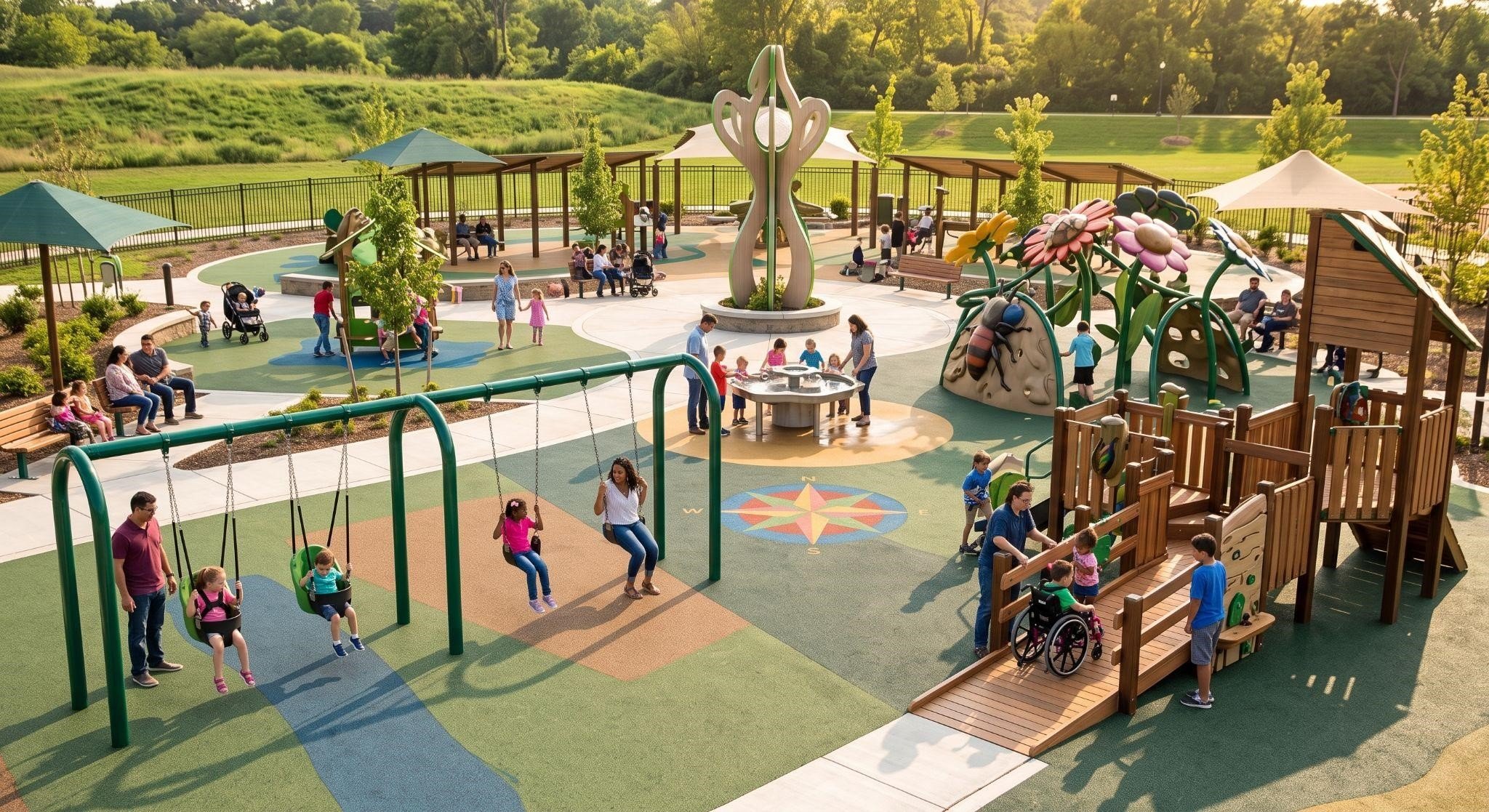
A successful playground should do more than provide a place for children to play. It should create an experience that families want to return to and recommend to others. From engaging equipment and unique themes to comfortable amenities and accessible design, every detail can influence how visitors experience a recreation space.
Understanding what families value most can help communities, schools, parks, and other organizations create playgrounds that attract more visitors and encourage repeat use.
Focus on the Features Families Value Most
Safety is one of the first things parents consider when choosing a playground. Equipment should be age-appropriate, properly spaced, and installed with suitable protective surfacing. Clear sightlines can also help parents supervise children while they play.
Variety is equally important. A playground visitor attraction with climbing structures, slides, swings, balance features, interactive elements, and imaginative play opportunities can appeal to children with different interests and abilities.
Inclusivity should also be part of the planning process. Accessible routes, ground-level activities, adaptive equipment, and thoughtful layouts can make it easier for children with different abilities to participate. When more children can enjoy the space, the playground can appeal to a broader range of families.
Give Visitors Something They Cannot Find Nearby
A playground needs a reason to stand out. Unique themes and modern equipment can transform an ordinary play area into a destination families remember.
Nature, adventure, transportation, animals, community history, and imaginative storytelling can all inspire custom playground concepts. The theme does not have to be elaborate. Even carefully coordinated colors, structures, signage, and interactive elements can give a playground a distinctive identity.
Modern equipment can add another layer of interest. Climbing challenges, sensory activities, interactive play components, and creative movement features can encourage children to explore the playground in different ways.
Working with an experienced playground builder in Utah can also help communities develop a custom design that fits the location while creating an experience that feels different from nearby playgrounds.
Make the Space Comfortable for the Whole Family
Children may be the primary users of a playground, but parents, grandparents, and caregivers are part of the visitor experience too. Comfortable amenities can influence how long families stay and whether they choose to return.
Seating should be positioned where caregivers can comfortably supervise the play area. Shade structures can provide relief during warmer weather, while picnic areas can make the space more useful for longer visits and family gatherings.
Cleanliness is another important factor. Well-maintained equipment, clean surfaces, accessible trash receptacles, and attractive landscaping can create a more welcoming environment. A playground that looks cared for can make families feel more comfortable spending time there.
Accessibility should extend beyond the equipment itself. Accessible pathways, entrances, seating areas, and connections to other park amenities can make the entire experience easier for visitors with mobility needs.
Encourage Families to Come Back
Attracting visitors once is valuable, but encouraging repeat visits can make a playground a lasting community destination. One way to do this is by keeping the experience fresh.
Playground equipment does not necessarily need to be replaced frequently. Adding new play elements, refreshing surrounding spaces, updating landscaping, or introducing new interactive features can give returning visitors something different to discover.
Seasonal activities can create another reason to visit. Community events, themed play days, outdoor games, nature activities, and temporary installations can bring additional energy to a familiar playground.
These updates can also help keep families engaged as children grow. A playground with multiple types of activities and changing experiences has more opportunities to remain interesting over time.
Design for Different Ages and Interests
A playground that attracts a wide audience should provide opportunities for different age groups. Younger children may benefit from lower platforms, smaller slides, sensory activities, and simple climbing features. Older children may prefer more challenging climbing structures, higher slides, obstacle-style activities, and opportunities for active movement.
Creating distinct activity areas can help reduce conflicts between different age groups while giving children space to explore at an appropriate level. It can also improve supervision by allowing caregivers to understand how the playground is organized.
Thoughtful design does not mean adding as much equipment as possible. Instead, the goal should be creating a balanced environment where children can move, explore, imagine, socialize, and challenge themselves.
Create a Playground Families Want to Revisit
A memorable playground combines engaging play opportunities with the details that make the entire visitor experience comfortable. Safety, variety, inclusivity, unique design, shade, seating, cleanliness, and accessibility all contribute to how families perceive a recreation space.
Regular updates and seasonal activities can provide additional reasons to return, while distinctive themes and modern equipment can help the playground become a recognizable destination within the community.
With thoughtful planning and a focus on the people who will use the space, a playground can become more than another park amenity. It can become a place families look forward to visiting, spending time together, and returning to again and again. Garrett Parks & Play can help communities develop custom playground environments designed around their space, audience, and long-term goals.